


Why Short-Haired Coats Still Need Looking After
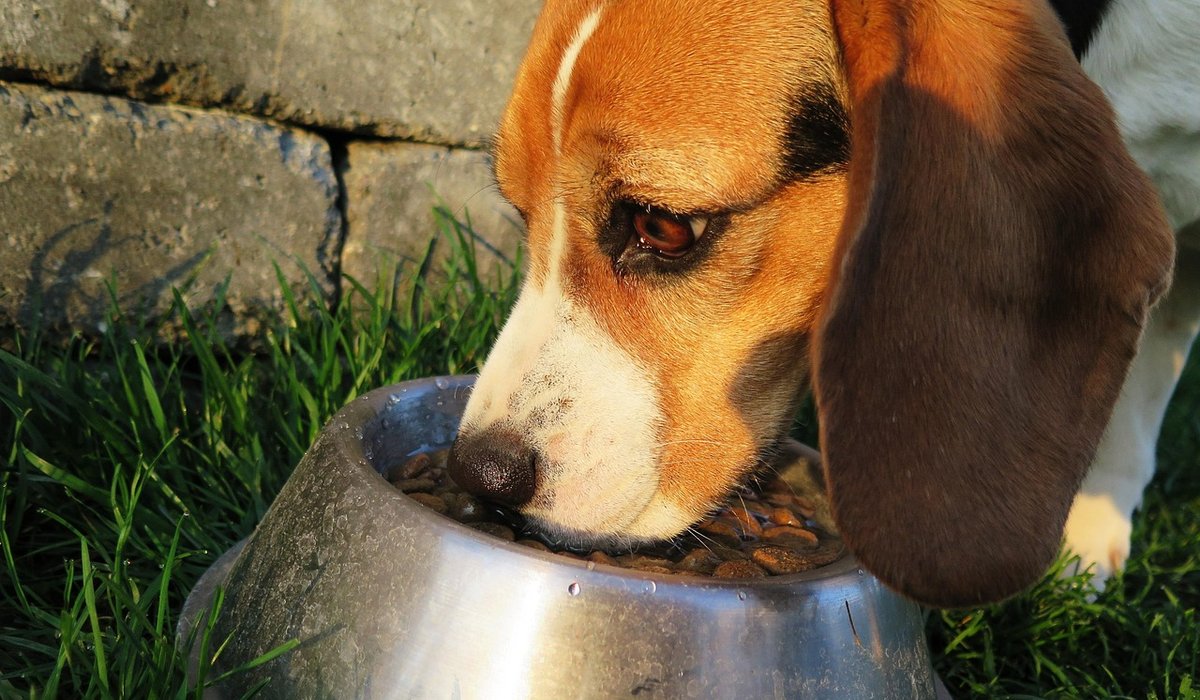
Owners of Labradors, Beagles, Boxers, Greyhounds, Jack Russells and similar short-coated breeds often assume there is nothing much to do on the grooming front. It is true that you will never face the matting nightmares of an Afghan Hound, but a smooth or short coat is still skin in action. It sheds, it responds to the seasons, and it tells you a great deal about your dog's general health. A little routine care keeps that coat glossy, the skin comfortable and gives you a weekly excuse to run your hands over your dog and spot problems early.
The good news is that most short-haired dogs need only ten to fifteen minutes of attention a week. The trick is doing the right things rather than the most things.
The Rubber Brush Is Your Best Friend
For a short or smooth coat, a rubber curry brush or grooming mitt is far more effective than a traditional bristle brush. The soft rubber nubs lift loose hair, move natural oils along the coat and give your dog a gentle massage that most of them genuinely enjoy.
Work in small circles or short strokes, following the direction of the coat. Pay particular attention to the areas where hair sits thicker or where skin folds:
- The neck and chest, where collars and harnesses rub
- Behind the ears and under the chin
- The armpits and groin, which are warm and often overlooked
- The base of the tail and the backs of the hind legs
Aim for two or three short sessions a week rather than one long one. During heavy shedding periods, usually spring and autumn, a daily two-minute rub-down makes an enormous difference to how much hair ends up on your sofa. Finish by wiping over the coat with a damp cloth or a chamois leather to lift the last of the loose hair and add shine.
Bathing: Less Often Than You Might Think
Short-haired dogs generally do not need frequent baths. Every four to eight weeks is plenty for most, and many dogs manage perfectly well with a bath every couple of months unless they have rolled in something memorable. Over-bathing strips the natural oils that keep the coat waterproof and the skin supple, and it can leave your dog itchy and dull.
When you do bath, use a dog-specific shampoo rather than human products, which are too harsh for canine skin. Lukewarm water, a good rinse and thorough drying with a towel are all that is required. Take extra care to dry inside skin folds and around the ears, since trapped moisture is a common cause of irritation. If your dog has a skin condition, your vet may recommend a medicated shampoo with a specific contact time, so follow those instructions exactly rather than guessing.
Spotting Seasonal Dryness and Irritation
British weather gives our dogs a fair amount to cope with. Central heating through the winter dries out indoor air and can leave skin flaky, while long wet walks followed by a warm house can encourage damp patches and itching. Add in pollen in spring and summer, and harvest-time fields in autumn, and you have a coat that is working hard all year.
Run your hands over your dog at least once a week and look for:
- Flaking, dandruff-like scurf, especially along the back
- Red, warm or thickened patches of skin
- Small scabs, grazes or thorns picked up in hedgerows
- Bald patches or thinning around the flanks and tail base
- Constant licking, nibbling or rubbing against furniture
Occasional mild dryness often responds to a little dietary oil, such as a small amount of salmon or sunflower oil added to food, but check with your vet before changing anything. Persistent itching, hair loss or a rash that lasts more than a few days is worth a trip to the surgery rather than another home remedy.
Countryside Walks, Fields and Folds
Short coats are low maintenance but not armour-plated. Grass seeds, burrs and small ticks all find their way onto smooth-haired dogs, particularly between the toes, inside the ears and in the armpits. A quick check after every country walk is far easier than dealing with an embedded seed later.
If you walk on farmland, keep to public rights of way, close gates behind you and keep your dog on a lead around livestock, especially during lambing and calving. Ground nesting birds are easily disturbed between March and July, so stick to paths across open moorland and heath. It is also worth rinsing muddy legs and undercarriages with plain water after wet walks, then drying properly, as repeated dampness sitting against skin is a common trigger for irritation in short-coated breeds.
Feeding, Fleas and the Overall Picture
A shiny coat is usually a sign of a healthy dog, so if yours looks dull despite regular grooming, it is worth looking at the bigger picture. A balanced diet, fresh water, sensible exercise and year-round flea and worm treatment all play their part. Fleas in particular can cause intense itching along the back and tail base, and one missed treatment can set off a cycle that is hard to break.
Keep your routine simple: rubber brush a few times a week, a bath now and then, a hands-on check after every muddy adventure, and a note of anything that changes. Your dog gets a pleasant massage, you get to know their body well, and small problems get sorted before they become sore ones. That is really all a short coat asks of you.


Leave a reply